Septic Tank Maintenance: Everyday Habits That Protect Your System
Good septic tank maintenance comes down to two things: everyday habits in the house and regular professional pump outs. If you live on a property with a septic system in the Southern Highlands, what goes down your toilets, sinks and laundry each day decides whether the system keeps working quietly or turns into an expensive problem. At Anderson Waste Services, our septic work takes us to homes and rural properties right across the Highlands, and this guide covers the practical habits that keep a septic tank and drain field in good shape.
Key Takeaways
- A septic system has two parts: the tank, where solids settle and break down, and the drain field, where liquid soaks into the soil. Your daily habits affect both.
- As a general guide, most residential septic tanks in the Southern Highlands need a pump out every three to five years.
- Only flush human waste and toilet paper. Keep wipes, grease, food scraps and harsh chemicals out of the system.
- Choose septic safe cleaning products and avoid chemical drain cleaners.
How a Septic System Works (In Plain Language)
A septic system treats household wastewater on your property using a buried tank and a drain field. Wastewater from toilets, showers, sinks and the laundry flows into the septic tank. Heavier solids sink to the bottom as sludge, and fats, oils and grease float to the top as a scum layer. The clearer liquid in between, called effluent, flows out to the drain field. Depending on the system, that might be absorption trenches or another type of land application area.
In the drain field, the effluent soaks into the soil, where natural bacteria keep treating it. Bacteria inside the tank also break down organic waste. Many properties around Moss Vale, Bowral, Mittagong, Robertson and Bundanoon rely on these on-site systems instead of town sewer. If sludge and scum aren't removed regularly, they can wash into the drain field, block it and cause wet patches, odours and costly repairs.
It's worth knowing where your tank, inspection points and drain field are. On older properties, original plans aren't always available, so marking them out yourself is a good idea.
Why Septic Tank Maintenance Matters for Your Home and Environment
Regular septic tank maintenance protects your home, your family and the surrounding environment. A septic tank is an underground structure that treats wastewater, and if it isn't looked after properly, untreated waste can create health risks for people and pets.
- Avoiding costly repairs: a blocked or damaged drain field can be far more expensive to fix than routine care.
- Health: sewage backing up into the house or pooling in the yard is unpleasant and unsafe.
- Environment: on rural Southern Highlands properties, dams, creeks and groundwater can be affected if a system fails, especially after heavy rain.
- Council requirements: on-site sewage systems in the Wingecarribee Shire are regulated by council. Keeping a record of your pump outs is an easy way to show your system is being maintained responsibly.
Steady, sensible habits are almost always cheaper than dealing with a failure.
Everyday Dos and Don'ts: Using Your Septic System the Right Way
The best septic tank maintenance tips are simple habits everyone in the house can follow.
Do:
- Spread washing machine loads across the week instead of doing several in a row.
- Fix leaking taps and running toilets quickly, because constant drips add a lot of extra water.
- Consider water-efficient fixtures, such as high-efficiency toilets.
- Direct roof and stormwater runoff away from the tank and drain field.
- Keep water use sensible, with shorter showers and full dishwasher loads.
Don't:
- Flush anything except human waste and toilet paper. That rules out wipes (including "flushable" ones), nappies, sanitary products, cotton buds, dental floss, paper towels and cat litter.
- Send a large amount of water through in a short time, such as a long bath followed by several loads of washing. This can push solids out of the tank and into the drain field.
- Ignore slow drains or gurgling toilets. These are often early warning signs.
Make sure kids and guests know what can and can't be flushed. Everyone in the house plays a part.
What Not to Put Down Drains: Drain Cleaners, Food Waste and Chemicals
Some everyday products can quietly damage a septic system, even while the drains seem to be working fine.
- Chemical drain cleaners: avoid them. They kill the bacteria your septic tank relies on. For a blocked drain, try a plunger or drain snake first, or call a plumber.
- Bleach and antibacterial cleaners: use them sparingly. Heavy use upsets the bacterial balance in the tank.
- Fats, oils and grease: never pour them down the sink. They build up the scum layer and can block pipes. Scrape plates into the bin or compost instead.
- Food scraps and coffee grounds: these add solids to the tank and fill it faster.
- Paints, solvents, pesticides and medicines: keep these out of sinks and toilets altogether.
"Flushable" wipes are worth mentioning again. They don't break down like toilet paper and are a common cause of blockages in septic systems.
Choosing Septic Safe Cleaning Products and Habits
You don't need harsh chemicals to keep a home clean on a septic system. Septic safe products are generally biodegradable and low in chlorine, phosphates and solvents. Gentle options such as diluted vinegar, bicarb soda and mild detergents work well for everyday cleaning.
Using less cleaning product overall matters as much as which brand you choose. This is especially true for busy households where the washing machine and dishwasher run every day. A steady flow of strong chemicals can slow down the bacteria that break waste down in the tank.
Looking After Your Drain Field and Yard
The drain field does most of the work underground, and protecting it helps you avoid the most expensive septic repairs.
- Keep cars, trucks and heavy machinery off the drain field. Heavy loads compact the soil and can crush pipes. That includes skip bins, so if you're hiring one, keep it well away from the trenches.
- Don't plant trees or large shrubs near the drain field. Their roots can get into pipes and joins. Grass is fine.
- Direct downpipes and driveway runoff away from the tank and trenches so they don't get flooded.
- Keep an eye out for soggy ground, pooling water, unusually green grass or bad smells over the drain field. These can all mean something isn't right.
Professional Maintenance, Pump Outs and Inspections
Everyday habits keep a septic system healthy between services, but only a professional pump out removes the sludge and scum that build up over time. As a general guide, most residential septic tanks in the Southern Highlands should be pumped out every three to five years. Smaller tanks or larger households may need it more often. If you don't know when your tank was last done, book a pump out and inspection to set a baseline.
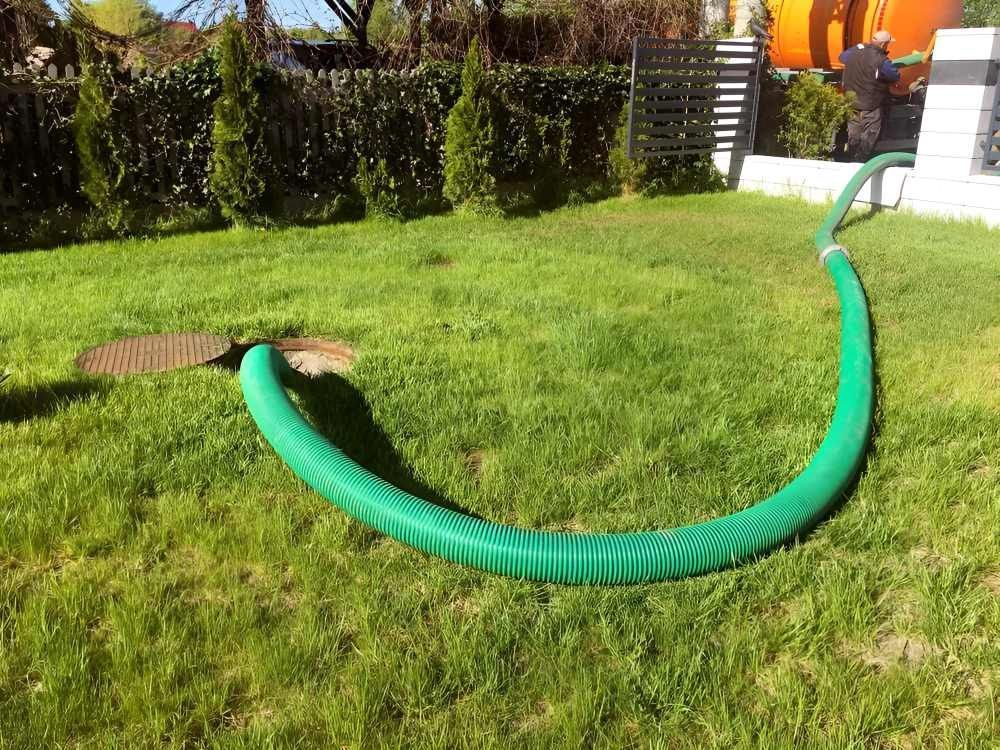
At Anderson Waste Services, our vacuum truck empties the tank fully, including breaking up built-up sludge. We can then visually check the tank for cracks or problems with baffles and pipes. All septic waste is transported in our licensed vehicles and disposed of at an EPA-approved facility. We're a family-owned business with a depot in Moss Vale and more than 70 years of combined industry experience. We can also give you documentation of the service for your records or for council.
For the full details on what's involved, see our page on septic tank pump out in the Southern Highlands.
When to Call in Expert Advice (Anderson Waste Services)
Call a professional as soon as your septic system shows warning signs. Don't wait until it overflows. Watch for:
- Slow drains throughout the house
- Gurgling from toilets or pipes
- Bad smells around the tank or drain field
- Soggy patches or pooling water over the trenches
- Sewage backing up into toilets or drains
Chemical quick fixes can hide the problem while the damage gets worse. Septic tanks also contain dangerous gases, so opening or entering one isn't a DIY job. If something doesn't seem right, contact us. We'll give you honest advice, and if your tank is in good shape, we'll tell you.
Frequently Asked Questions about Septic Tank Maintenance
Can I use a garbage disposal with a septic system?
A garbage disposal sends extra food waste into the septic tank, which builds up sludge faster and can mean more frequent pump outs. Scraping plates into the bin or compost is a better choice for septic homes.
Are "flushable" wipes safe for septic tanks?
No. Wipes break down much more slowly than toilet paper and can tangle with other debris to cause blockages. Put all wipes in the bin, whatever the packet says.
What should I do if my yard smells like sewage after heavy rain?
Smells or soggy ground over the tank or drain field after rain can mean the system is overloaded or struggling. Cut back on water use, keep people and pets away from the area, and call us on 02 4869 4260 to arrange an inspection.
Do septic tank additives replace the need for pump outs?
No. No additive can remove the sludge and scum that build up in a septic tank. Only a pump out can do that. Good habits and regular servicing are the reliable way to keep your system healthy.
How does household size affect pump out timing?
More people means more wastewater and faster sludge build-up. Larger households, smaller tanks or heavily used systems may need servicing more often than the general three to five year guide. If you're unsure where your tank is at, Anderson Waste Services can pump it out and inspect it to give you a clear starting point.
Recent Posts